The Need for Solitude in Modern Spirituality
In 2026, where technology keeps us connected but often distracted, the quest for inner peace and spiritual growth has never been more relevant. Many find themselves yearning for moments of solitude—a sacred pause to delve deeper into their spiritual journey. Solitude is not just isolation; it’s a deliberate withdrawal from the noise to engage with the inner self and the divine, a necessary practice for spiritual rejuvenation.
Understanding True Solitude
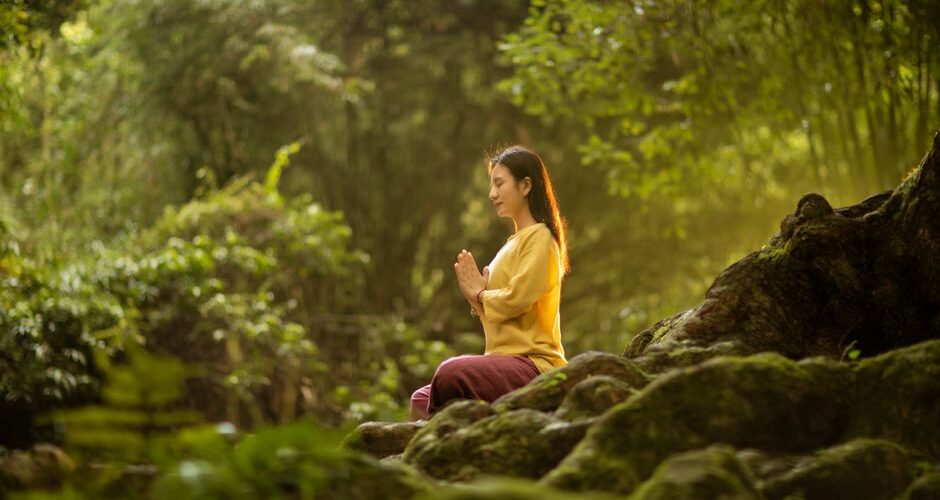
True solitude is a state of being alone without the feeling of loneliness. It’s a conscious choice to be with oneself, fostering a deep connection with one’s inner world. In spiritual contexts, solitude is often regarded as a fertile ground where seeds of introspection and enlightenment can grow. Figures like Buddha and Jesus found profound insight in solitude, and this practice remains timeless. For those seeking spiritual depth, embracing solitude can be transformative.
Five Benefits of Practicing Solitude
- Deepened Self-Awareness: Solitude offers the chance to step back and reflect on one’s experiences, thoughts, and emotions. This introspection can enhance self-awareness and lead to a more authentic existence.
- Spiritual Clarity: Away from distractions, individuals often find clarity in their spiritual beliefs and paths. Solitude allows for meditation and prayer without the noise of external influences.
- Emotional Healing: The quietude of solitude creates a safe space for emotional wounds to surface and heal. Without external pressures, one can process feelings and experiences at their own pace.
- Enhanced Creativity: Many find that stepping into solitude awakens their creative energies. The quiet allows ideas to flow freely, unimpeded by the constant bombardment of information.
- Strengthened Faith: Solitude can be a time for deep, uninterrupted communion with one’s faith, leading to strengthened spiritual convictions and a more profound sense of peace.
How to Incorporate Solitude Into Your Spiritual Practice
Integrating solitude into daily life doesn’t require retreating to a monastery. Start small by setting aside brief periods each day for quiet reflection. Whether it’s a morning walk in the park or an evening meditation session, consistency is key. Create a dedicated space in your home for solitude—perhaps a corner with a comfortable chair and a few spiritual texts.
Real-Life Example: Solitude Retreats in 2026
One growing trend is attending solitude retreats. In 2026, places like the Isle of Skye in Scotland and the deserts of Arizona offer retreats focused on solitary reflection. These retreats provide structured solitude experiences, allowing participants to disconnect from the digital world and reconnect with their spiritual selves. Attending such a retreat can be a powerful way to deepen your practice of solitude.
Practical Takeaway
As you embark on your journey of solitude, remember that the goal is not to escape the world but to find peace and clarity within it. By making solitude a regular part of your spiritual practice, you can cultivate a deeper relationship with yourself and your faith, leading to a more fulfilling and spiritually enriched life.