The Role of Rituals in Modern Spirituality
In 2026, the landscape of spirituality continues to evolve, weaving ancient practices into the fabric of contemporary life. Rituals, with their timeless essence, play a pivotal role in this tapestry, serving as bridges between the past and present. These practices not only ground individuals in their spiritual journeys but also offer a profound sense of connection, purpose, and personal growth.
The Historical Roots of Rituals
Rituals have been an integral part of human existence for millennia. Long before the advent of organized religion, early humans engaged in ceremonial activities to honor the natural world and the mysteries of life and death. Archaeological findings at Göbekli Tepe in Turkey, dating back to around 9600 BCE, reveal what is believed to be one of the earliest ritual sites, underscoring humanity’s long-standing need for spiritual expression.
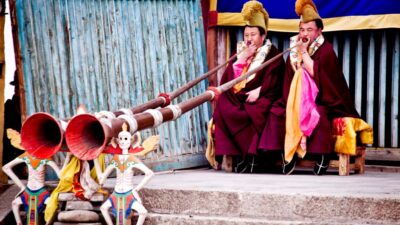
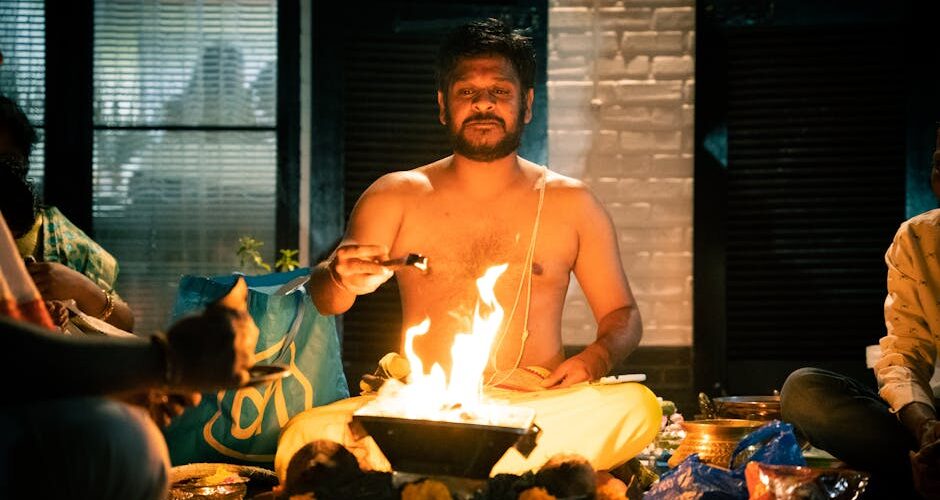
These ancient traditions laid the groundwork for the structured rituals seen in the world’s major religions today. From the sacred ceremonies of the Hopi people in North America to the intricate rites of Hinduism in India, rituals have been a way for communities to express their collective beliefs and maintain a sense of continuity across generations.
Modern Adaptations and Personalization
In our fast-paced and often fragmented world, there’s a growing trend towards personalizing spiritual practices to better fit individual lifestyles and beliefs. While traditional rituals provide a foundation, many people are adapting these practices to reflect their unique spiritual paths.
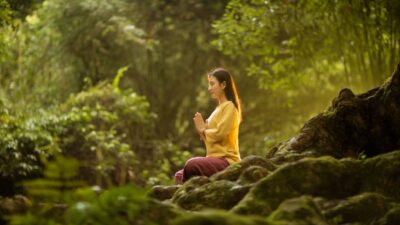
Consider the rise of moon rituals, which have become particularly popular among millennials and Gen Z. These rituals, often involving elements like meditation, journaling, or crafting intentions, tap into the cyclical nature of the moon to foster personal reflection and goal-setting. This personalized approach allows individuals to engage in spirituality in a way that feels authentic and meaningful to them.
The Science Behind Rituals
Modern science has started to unravel the psychological benefits of rituals, highlighting their role in enhancing well-being. Studies have shown that ritualistic activities can reduce anxiety, improve focus, and foster a sense of belonging. A study published in the journal Psychological Science found that performing rituals before stressful tasks helped participants feel calmer and more in control of their circumstances.
These findings suggest that the structured nature of rituals can provide a sense of predictability and security, which is especially valuable in times of uncertainty. By engaging in these practices, individuals can create a mental space where they can process emotions and experiences more effectively.
Community and Connection
Rituals are not only about individual growth; they also serve as a powerful tool for building and strengthening community bonds. Shared rituals, such as communal meals or group meditations, offer opportunities for people to come together, share experiences, and reinforce communal values.
In cities like San Francisco or Amsterdam, where multicultural communities flourish, shared rituals can encourage understanding and cooperation among diverse groups. Events like neighborhood drumming circles or community prayer gatherings provide platforms for cultural exchange and collective healing, fostering unity in diversity.
Incorporating Rituals into Daily Life
For those looking to incorporate rituals into their daily routine, the key is to start small and remain consistent. Simple practices, such as morning affirmations, lighting a candle before dinner, or practicing gratitude before bed, can have a profound impact over time.
The beauty of rituals lies in their adaptability; they can be as complex or as straightforward as one desires. Whether it’s setting aside time for mindfulness during a morning coffee or dedicating a few moments to reflect at the end of the day, these small acts can become anchors of peace and mindfulness amidst the hustle and bustle of daily life.
Practical Takeaway: Rituals, with their rich historical roots and modern-day adaptations, offer a potent means of fostering spiritual growth and community connection. By embracing both traditional and personalized practices, individuals can cultivate a deeper sense of purpose and well-being. Start with small, meaningful rituals and gradually allow them to become an integral part of your spiritual journey.