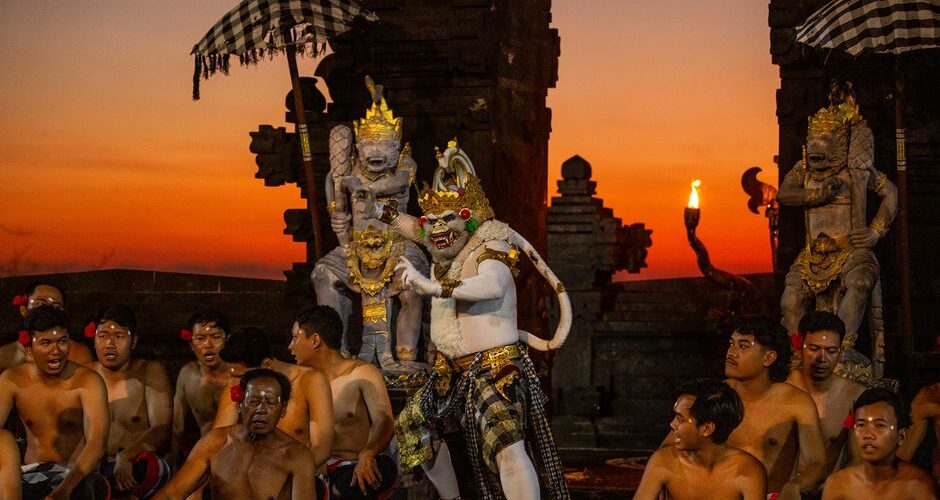
The Power of Stories in Spiritual Traditions
Stories have always been vessels of wisdom, carrying the spiritual heritage of humanity across generations. From the parables of Jesus to the intricate tales in Hinduism, narratives have been used to teach, inspire, and guide. In 2026, the essence of storytelling continues to hold a powerful place in our spiritual lives. These stories do more than entertain—they connect us to the divine and help us explore the deepest questions of existence.
Rediscovering Ancient Narratives
In the hustle and bustle of modern life, it’s easy to forget the rich tapestry of stories that have shaped our spiritual consciousness. Ancient narratives are being revisited in places like the New York Public Library’s rare book section, where seekers gather to connect with texts that date back centuries. These tales provide insights that remain relevant, offering guidance for contemporary spiritual dilemmas. As we delve into these stories, we find that they speak to universal truths about love, loss, faith, and resilience.
Creating Personal Myths
The art of sacred storytelling isn’t just about revisiting old stories. It’s about creating new ones that resonate with our personal spiritual journeys. In communities across the globe, people are encouraged to write their own spiritual narratives. Workshops in cities like Sydney and Toronto are teaching individuals how to shape their experiences into meaningful stories. These personal myths serve as a way to process experiences and articulate spiritual growth, making the individual’s journey a part of the greater human tapestry.
Storytelling as a Communal Experience
Storytelling is an inherently communal act—it brings people together, fostering connection and understanding. In 2026, communities are increasingly using storytelling circles to build bridges between different faiths and cultures. In places like San Francisco, interfaith storytelling events allow people from diverse backgrounds to share their spiritual tales, fostering empathy and mutual respect. These gatherings not only strengthen community bonds but also enrich participants’ spiritual lives by exposing them to a broader spectrum of beliefs and experiences.
The Role of Technology in Sacred Storytelling
Technology, often seen as the antithesis of spirituality, has found a harmonious role in the realm of sacred storytelling. Online platforms like StoryCorps and digital storytelling apps are enabling people to share their spiritual stories with a global audience. Virtual reality experiences are also being developed to immerse users in legendary narratives, offering a new way to engage with ancient spiritual texts. This intersection of technology and spirituality offers vast potential for reaching wider audiences and keeping sacred stories alive in the digital age.
Practical Takeaway: Crafting Your Spiritual Story
Embracing sacred storytelling in your spiritual practice doesn’t require grand gestures. Start by reflecting on pivotal moments in your spiritual journey. Consider what lessons you’ve learned and how they might resonate with others. Share your story in a journal, a blog, or even at a local storytelling event. Remember, your story is a sacred offering that can inspire, heal, and connect—not just for others, but for yourself as well.