The concept of pilgrimage has been central to many faiths for millennia, serving as both a physical and spiritual journey. In 2026, the significance of pilgrimage has taken on new dimensions, responding to the global events and cultural shifts of recent years. While technological advancements have made the world feel smaller, the journey to sacred sites is more relevant than ever.
The Revival of Traditional Pilgrimages
The past decade has seen a resurgence in traditional pilgrimages, with places like the Camino de Santiago in Spain welcoming over 400,000 pilgrims annually. The route has expanded, accommodating diverse paths ranging from the traditional French Way to newer routes like the Northern Way. This revival speaks volumes about our collective desire to reconnect with heritage and spirituality in an age dominated by digital screens.
With the ease of travel and heightened global awareness, pilgrims come from all corners of the globe, seeking not just religious fulfillment but also community and personal growth. The physical challenge of walking hundreds of kilometers is complemented by the introspective journey each pilgrim undertakes, often leading to profound personal transformations.
Technological Impact on Pilgrimage
While modern technology might seem antithetical to the idea of a spiritual journey, it has, in fact, played a critical role in facilitating and enhancing the pilgrimage experience. Apps like Camino Frances Guide and websites dedicated to pilgrim networks have made planning these journeys more accessible, providing everything from route maps to real-time weather updates.
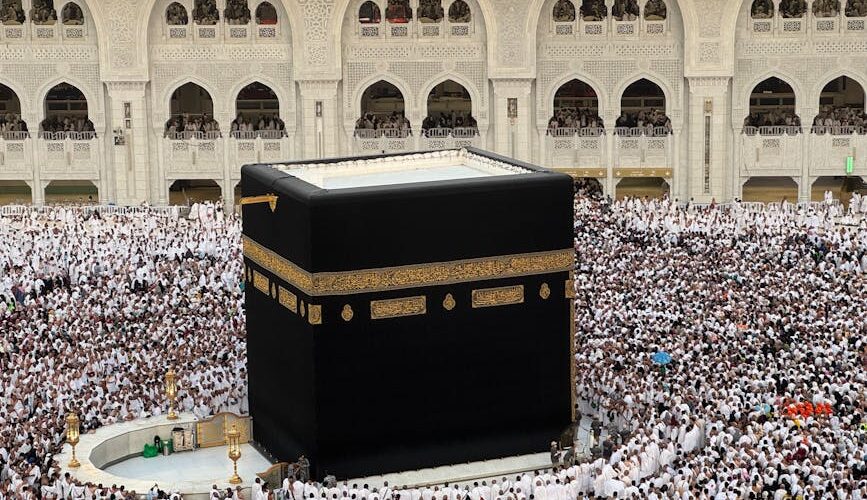
Moreover, virtual reality experiences have emerged as an alternative for those unable to travel. For example, the Hajj, the Islamic pilgrimage to Mecca, now has virtual tours that allow Muslims who are physically unable to make the journey to experience the rituals from afar. While nothing can replace the authenticity of being physically present, these technological advancements open new avenues for spiritual engagement.
Pilgrimage as a Form of Environmental Consciousness
Pilgrimages in 2026 have also become a way to promote environmental consciousness. As climate change remains a pressing issue, many pilgrims have turned their journeys into eco-conscious experiences. Routes now often emphasize sustainability, encouraging practices such as waste reduction and eco-friendly accommodations.
For instance, pilgrims on the Shikoku Pilgrimage in Japan are increasingly opting for eco-friendly lodging, and organizations have sprung up to plant trees along pilgrimage paths, offsetting carbon footprints and preserving the natural beauty of these sacred routes.
An Interfaith Experience
While traditionally rooted in specific religions, many pilgrimages have taken on an interfaith character in recent years. Sacred sites like Jerusalem, which is significant to Christianity, Islam, and Judaism, see pilgrims from various faiths walking side by side. This has fostered a deeper understanding and respect among different religious communities.
The interfaith aspect has been particularly enriching during the annual Kumbh Mela in India, where millions of Hindus gather. In 2026, the event has seen participation from people of different religious backgrounds, eager to witness the cultural and spiritual grandeur of the largest pilgrimage gathering in the world.
The Personal Journey Within
Beyond the physical trek and the communal aspect, pilgrimage in 2026 remains a deeply personal journey. Many embark on these paths to seek answers, find solace, or simply disconnect from the hustle of modern life. The act of walking, reflecting, and being part of something greater provides a sense of peace and clarity that is often hard to find in the everyday world.
For some, the journey is about healing. Recent studies suggest that the act of pilgrimage can reduce stress and improve mental well-being. The combination of physical exercise, meditation, and a break from daily stresses offers a reset unlike any other.
Practical Takeaway: Preparing for Your Pilgrimage
If you’re considering embarking on a pilgrimage in 2026, preparation is key. Choose a route that resonates with your spiritual or personal goals. Research the cultural and environmental aspects of the journey to ensure it aligns with your values. Finally, approach the journey with an open heart and mind, ready to embrace both the challenges and rewards that await.
Remember, a pilgrimage is not just a journey to a sacred site; it’s a journey towards the deeper parts of yourself.