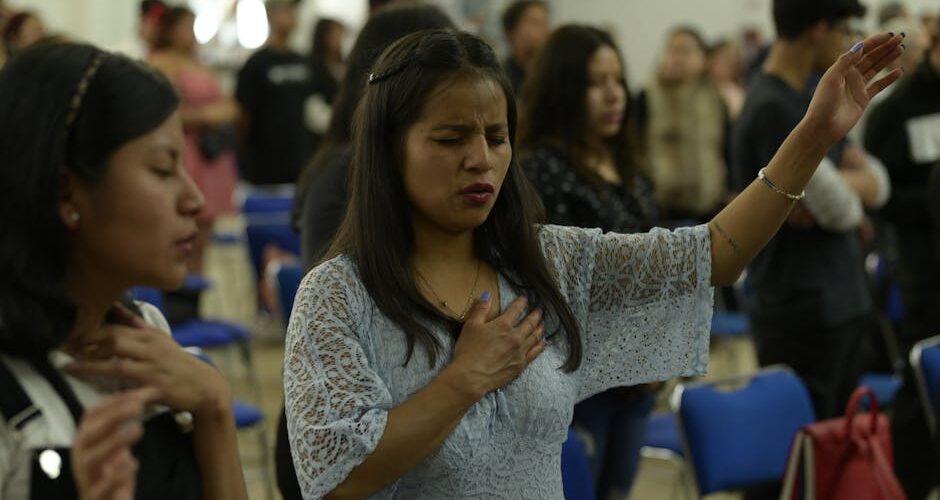
Understanding the Importance of Religious Freedom
Religious freedom is a cornerstone of a harmonious society. It allows individuals to express their beliefs without fear of persecution. In 2026, this principle remains as vital as ever. Yet, supporting this freedom requires active participation and understanding. It’s not just about tolerance, but embracing the diversity that different faiths bring to our communities.
Engage in Interfaith Dialogues
One effective way to support religious freedom is by fostering interfaith dialogues. These conversations create platforms where individuals from different religious backgrounds can share their beliefs and practices. In cities like Boston and San Francisco, organizations such as the Interfaith Youth Core have been pioneering these efforts, bringing together youth from varied religious backgrounds to discuss common values and challenges.
Organizing or participating in such dialogues can be as simple as hosting a monthly meet-up at a local community center or a coffee shop. The goal is to create a space of mutual respect and understanding. Through these interactions, misconceptions can be addressed, and friendships can blossom, reducing prejudice and promoting peace.
Promote Religious Literacy
Knowledge is a powerful tool against ignorance and intolerance. Promoting religious literacy in your community can significantly enhance respect and empathy among different faith groups. Consider collaborating with local schools or libraries to organize educational workshops or reading groups focused on different religions.
For instance, the New York Public Library offers a series of lectures and book clubs that delve into religious texts from around the world. Such initiatives not only educate but also celebrate the rich tapestries of belief that exist across the globe.
Celebrate Religious Holidays Together
Celebrating religious holidays together is another wonderful way to support religious freedom. It allows communities to come together in joy and gratitude, acknowledging the diverse traditions that each faith brings. Events like the Annual Interfaith Thanksgiving Dinner in Chicago exemplify this approach, where people from all faiths gather to share a meal and give thanks.
Participating in or organizing such events provides an opportunity to learn about each other’s customs, try new foods, and experience different cultural expressions. It’s a celebration of diversity and unity, wrapped in the spirit of community.
Advocate for Policy Changes
At times, supporting religious freedom means advocating for policy changes that protect these rights. This might involve engaging with local government officials or participating in advocacy groups that focus on religious rights. Cities like Seattle have seen success in this arena, with local leaders pushing for policies that support the construction of religious buildings and defend against discriminatory practices.
Becoming informed about current legislation and how it impacts religious freedom is crucial. Joining organizations like the Religious Freedom Institute can provide resources and support for those looking to make a difference through policy advocacy.
Foster a Welcoming Environment
Creating a welcoming environment in your community is essential for supporting religious freedom. Simple gestures, such as putting up signs that say “All Are Welcome Here” can go a long way in making everyone feel included and respected. Encouraging local businesses and public spaces to be open and accepting of different religious expressions fosters a sense of belonging.
Additionally, consider signing up for sensitivity training workshops that help individuals understand and respect diverse religious practices. These sessions, often provided by community centers or nonprofit organizations, can equip participants with the skills needed to interact positively and respectfully with people from various faith backgrounds.
Take Action in Your Community
Supporting religious freedom is an ongoing endeavor that requires commitment and action. By engaging in dialogues, promoting literacy, celebrating diversity, advocating for policy changes, and fostering inclusivity, you can make a significant impact. Remember, every small step taken towards understanding and acceptance contributes to a larger culture of peace and freedom.
Consider starting with one or two initiatives that resonate with you and gradually expand your efforts. By doing so, you’ll not only support religious freedom but also enrich your community, creating a more inclusive world for all.