The Timeless Connection Between Humanity and Nature
In 2026, as our world becomes increasingly digital and fast-paced, many are turning back to the roots of spiritual wisdom found in indigenous cultures. These ancient traditions offer profound lessons on the interconnectedness of all life, emphasizing the delicate balance between humanity and nature. The Quechua people of the Andes, for example, have long revered Pachamama, or Mother Earth, as a living entity deserving of respect and reverence. This sacred relationship with the earth is a vital reminder in our modern context: the earth is not a resource to be exploited but a partner to be cherished and protected.
Ritual and Ceremony: The Heartbeat of Indigenous Spirituality
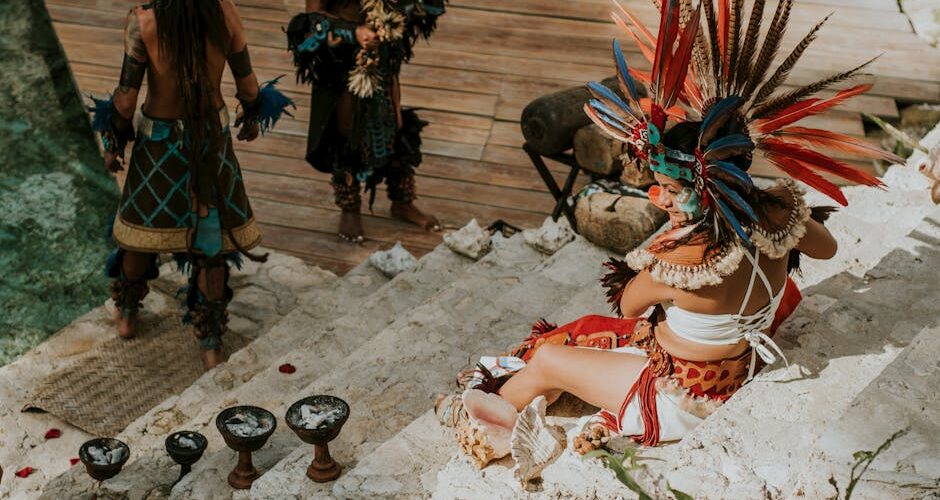
Rituals and ceremonies are at the heart of indigenous spiritual practices, serving as powerful tools for connection and community. Take the Sun Dance of the Plains Indian peoples, which is a ceremonial prayer for life, renewal, and healing, often involving days of fasting, dancing, and sacrifice. Such ceremonies create a space where participants can transcend the ordinary, touching the spiritual realms and affirming their place in the universe. These practices illustrate the importance of creating sacred moments in our own lives, whether through meditation, prayer, or personal rituals.
The Wisdom of Elders: Oral Traditions and Storytelling
Storytelling has been a vital method of passing down wisdom through generations. Indigenous elders are the keepers of these oral traditions, passing on tales that encapsulate spiritual beliefs, history, and moral lessons. The Dreamtime stories of Australian Aboriginals, for instance, are rich narratives that explain the origins of life and the laws governing the natural world. In our digital age, where written content is prevalent, the emphasis on oral tradition serves as a poignant reminder of the power of storytelling and human connection.
Holistic Healing Practices
The holistic approach to health and healing found in many indigenous cultures contrasts starkly with the often compartmentalized views of modern medicine. Indigenous healers view the body, mind, and spirit as interconnected, treating ailments with natural remedies, spiritual guidance, and communal support. Consider the shamanic practices of the Amazonian tribes, who use plant-based medicine like Ayahuasca to facilitate spiritual healing and personal insight. This holistic view encourages us to look beyond symptoms to address root causes, considering the whole person and their environment.
Community and Collective Identity
In indigenous societies, the concept of community extends beyond human interactions to include all living beings and even the land itself. The Maori of New Zealand practice whanaungatanga, a concept emphasizing strong kinship ties and community relations. This collective identity is crucial in fostering resilience and support systems that can withstand external pressures. Today’s society can learn from this by valuing community bonds, creating support networks, and recognizing the importance of our relationships with the natural world.
Practical Takeaway: How to Integrate Indigenous Wisdom into Daily Life
Integrating indigenous spiritual practices into daily life doesn’t require adopting them wholesale but rather learning and incorporating their fundamental principles. Start by cultivating a deeper appreciation for nature in your daily routine—perhaps through mindful walks, gardening, or simply observing the changing seasons. Create small rituals that bring intention and mindfulness to everyday activities, such as lighting a candle for meditation or expressing gratitude before meals. Engage with community projects or learn from local indigenous groups to foster a sense of belonging and collective identity.