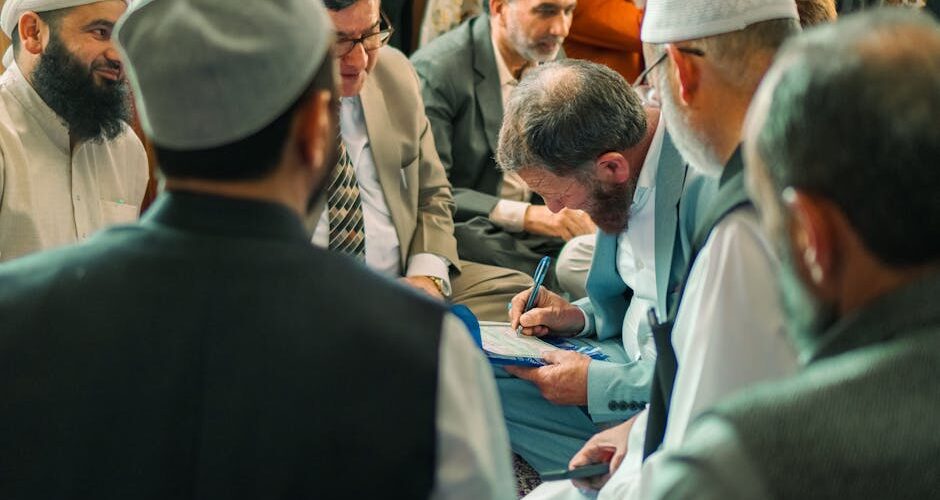
The Historical Tapestry of Interfaith Relations
Throughout history, religions have often been perceived as isolated entities, each steadfastly maintaining its doctrines and practices. However, the past few decades have seen a significant shift. The roots of interfaith dialogues stretch back to ancient times, but their formalization as a means to foster understanding and peace gained momentum in the 20th century. Events like the 1893 World’s Parliament of Religions in Chicago marked the beginning of structured interactions among various faiths. Fast forward to the 21st century, and these dialogues have become a crucial element in international relations and community cohesion.
Why Now? The Modern Imperatives of Interfaith Dialogues
With the world becoming more interconnected, multicultural societies are now the norm rather than the exception. According to the Pew Research Center, nearly 84% of the global population identifies with a religious group, underscoring the significance of religious beliefs in shaping worldviews. In 2026, the necessity of fostering respect and understanding among diverse faith communities is more pressing than ever. Conflicts driven by religious misunderstandings continue to plague regions like the Middle East and parts of Africa. Interfaith dialogues offer a platform to address these issues, promoting peace and collaboration where division once reigned.
Real-World Impact: Stories of Success and Hope
Across the globe, there are numerous instances where interfaith dialogues have led to tangible positive outcomes. In Nigeria, the Interfaith Mediation Centre has been instrumental in resolving conflicts between Christian and Muslim communities. By focusing on common goals and mutual respect, they’ve managed to curb violence in volatile regions. Similarly, in India, the interfaith initiative “Swadharma” brings together diverse religious leaders to discuss social issues affecting their communities, such as poverty and education.
The Role of Technology and Social Media
In the digital age, technology serves as both a tool and a platform for interfaith dialogue. Social media networks like Facebook and platforms like Zoom and Microsoft Teams have enabled conversations that transcend geographical boundaries. These technologies facilitate virtual interfaith conferences and workshops, making it possible for individuals from across the globe to participate. For instance, the United Religions Initiative (URI) has leveraged online platforms to create a global network of grassroots interfaith cooperation circles, fostering a sense of unity among diverse religious communities.
Fostering Interfaith Understanding in Local Communities
While global initiatives capture headlines, local grassroots efforts are equally vital. Community centers, local churches, mosques, and temples often host interfaith events that bring neighbors together. In cities like New York and London, where diversity is a hallmark, these events can take the form of joint community service projects, shared meals during religious festivals, or educational workshops discussing the tenets of different faiths. These local efforts not only build bridges between communities but also strengthen the social fabric of societies.
Practical Steps Towards a More Inclusive Future
Engaging in interfaith dialogues can begin with small, individual actions. Educators can incorporate interfaith topics into their curricula, encouraging students to explore and understand different religious perspectives. Communities can organize interfaith panels and invite speakers from various faith traditions to share their experiences and insights. On a personal level, attending an open house at a different place of worship or participating in interfaith prayer events can be enriching experiences.
As our world continues to evolve, the importance of interfaith dialogues cannot be overstated. These conversations hold the potential to transform divisions into connections, paving the way for a more harmonious global community.