Introduction
The year is 2026, and an unexpected spiritual revolution is quietly taking place. More than ever, technology is blending seamlessly with spiritual practices, and one of the most unexpected yet impactful innovations is the digital prayer wheel. Melding ancient traditions with modern tech, this advancement is reshaping how communities engage with faith.
The Origins and Significance of Prayer Wheels
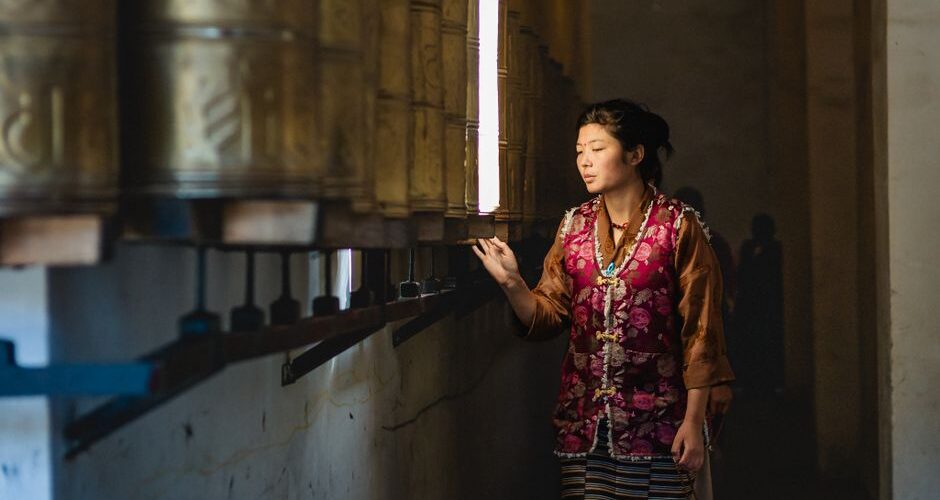
Prayer wheels have been a vital part of Buddhist practices for centuries. Traditionally, these wheels are inscribed with mantras, and with each spin, the prayers within are believed to be released into the universe. For many, the act of spinning a prayer wheel is both meditative and sacred, offering a tangible expression of intangible devotion.
While physical prayer wheels still hold their place, a new digital iteration is providing accessibility and engagement like never before. This shift doesn’t diminish the traditional wheel’s value but builds on its foundational belief, making it available to a global audience.
How Digital Prayer Wheels Work
Digital prayer wheels are applications or online platforms that simulate the act of spinning a physical wheel. These applications can be downloaded onto smartphones or accessed via websites. Users can select from various mantras, personalize their spiritual experience, and spin the wheel with a simple swipe of their finger or a click of a button.
One popular application in 2026, “Eternal Spin,” has been downloaded over 1.5 million times. It allows users to connect with others through shared prayers, creating a virtual community of faith. This communal aspect has resonated with many, connecting individuals across continents in shared spiritual practice.
Engaging the Tech-Savvy Generation
For Gen Z and younger millennials, digital platforms are second nature. The introduction of digital prayer wheels provides a bridge between their tech-centric lifestyles and spiritual practices. This innovation invites a new generation to explore spirituality in a familiar and accessible way.
Consider Liam, a 24-year-old from San Francisco, who discovered the digital prayer wheel while scrolling through an app store. He describes the experience as “surprisingly profound,” noting that it has helped him integrate moments of meditation and reflection into his daily life, something he hadn’t found achievable with traditional practices.
Criticism and Concerns
No innovation is without its critics. Some traditionalists argue that the digital version lacks the tactile and communal aspects of physically spinning a prayer wheel. They fear that the digitalization of such a sacred act might dilute its spiritual potency.
Others worry about the privacy and commercialization of spiritual practices. With faith-based apps gaining popularity, concerns about data privacy and the commercialization of spirituality are increasingly relevant. Users are encouraged to research app developers and ensure their digital practices align with their spiritual and ethical values.
The Future of Digital Spirituality
As we look to the future, digital spirituality seems poised for growth. With the rise in virtual reality and augmented reality technologies, we might soon see even more immersive experiences that deepen spiritual connections. The key will be ensuring these developments serve to enhance rather than replace traditional practices, offering broader choices for spiritual engagement rather than dictating a single path.
While the digital prayer wheel is just one example of how technology can transform spirituality, it exemplifies a broader trend. As we continue to embrace technological advancements, the potential for growth in personal and communal faith practices is boundless.
Practical Takeaway
For those curious about blending faith and technology, starting with a digital prayer wheel could be a gentle introduction. It offers a new way to engage with ancient practices, providing accessibility and the opportunity for communal connection. Just remember to approach these digital tools as complements to your spiritual journey, not replacements. Embrace the opportunity to expand your spiritual practice in a way that feels meaningful to you.