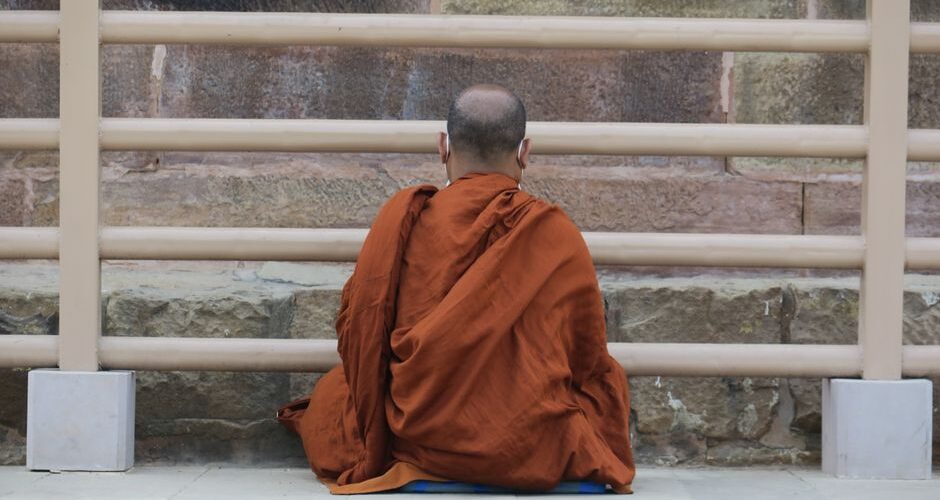
The Unseen Force of Silence in Faith
As we navigate through 2026, a year marked by rapid technological advancements and constant connectivity, many are turning to silence as a profound spiritual practice. While silence might seem passive, its power in spiritual contexts is anything but. For centuries, spiritual leaders and mystics, from the deserts of Egypt to the monasteries of Tibet, have celebrated silence as a medium for divine communication and personal transformation.
In our modern era, silence is being rediscovered as a critical tool for deepening one’s faith and spiritual understanding. It’s more than just the absence of noise; it’s the presence of peace and the gateway to inner clarity.
Rediscovering Sacred Spaces
In cities worldwide, people are creating spaces dedicated to silence. For instance, the ‘Silent Houses’ initiative in Amsterdam provides urban dwellers a haven for quiet reflection. These spaces are increasingly popular, emphasizing the growing need for silence amid the city’s hustle and bustle.
Similarly, in New York, the historic St. Patrick’s Cathedral offers ‘Silent Hours’, dedicated times when visitors can experience the cathedral’s grandeur without the usual tourist cacophony. These initiatives reflect a broader trend of seeking sacred silence in both traditional and innovative settings.
The Science Behind Silence
Recent studies have shown that silence can have a profound impact on our well-being. Neuroscientists at the Max Planck Institute for Human Cognitive and Brain Sciences in Leipzig discovered that two hours of silence daily can lead to new cell development in the brain’s hippocampus, the region associated with memory, emotion, and learning.
This scientific backing supports what many spiritual traditions have long held: that silence is not merely restorative but transformative. It allows the mind to process and heal, which can lead to more profound spiritual experiences.
Incorporating Silence into Your Spiritual Practice
For those looking to integrate silence into their spiritual practice, starting small can be effective. Here are some practical steps:
- Morning Silence: Dedicate the first 10 minutes of your day to silent meditation. Focus on your breath and let thoughts pass without engaging them.
- Silent Retreats: Consider attending a silent retreat. These retreats are available worldwide, offering structured silence for days or weeks, allowing individuals to disconnect and deepen their spiritual journey.
- Mindful Moments: Throughout your day, take ‘mindful pauses’. These brief moments of silence, even just a minute long, can help recentre your spirit.
Challenges and Triumphs of Embracing Silence
While embracing silence can be transformative, it comes with its challenges. Initially, many people find the absence of noise uncomfortable. Our minds are conditioned to constant stimulus, making silence feel foreign and even intimidating.
However, those who persist often report a profound sense of peace and clarity. As one practitioner from the ‘Silent Houses’ initiative shared, “Silence has become my anchor. It’s where I connect deeply with my faith and find answers to questions I didn’t know I had.”
A Practical Takeaway for 2026
As you consider the role of silence in your spiritual journey, remember that it’s not about achieving a goal but about being present with yourself and with the divine. Embrace the quiet revolution and let silence be your guide in 2026. Start small, be patient, and watch as your spiritual path unfolds quietly yet powerfully, leading you to greater understanding and peace.