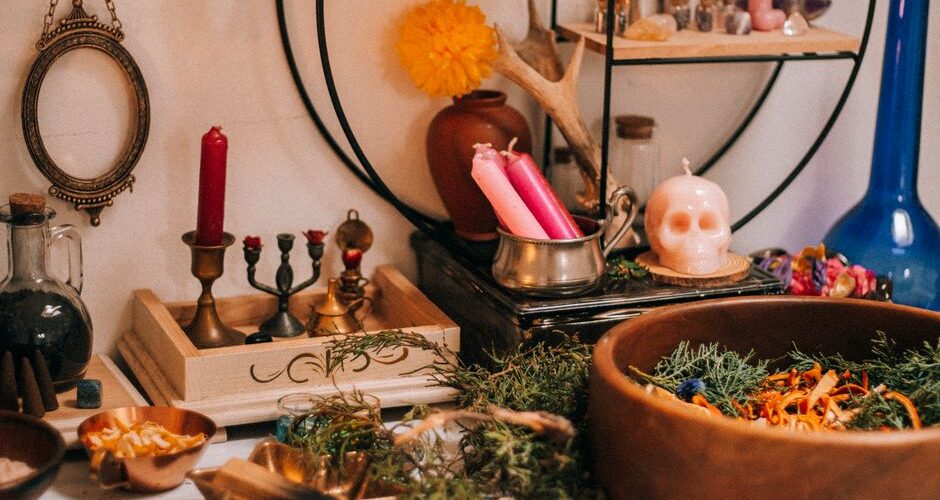
The Importance of a Personal Sacred Space
In the hustle and bustle of 2026, finding a moment of peace can seem like an elusive goal. The answer might be closer than you think—right in your own home. A sacred space, no matter how small, can become a sanctuary for prayer, meditation, or simply a quiet moment of reflection. Creating such a space isn’t just about aesthetics; it’s about fostering a deeper connection with the divine within the comfort of your own walls.
Choosing the Right Location
The first step in creating your sanctuary is choosing the right spot. It doesn’t have to be a whole room; it could be a cozy corner in your living room or a nook in your bedroom. The key is to select a place where you feel most at peace. For some, this might be near a window with a view of nature, while others might prefer a more secluded area away from the everyday household bustle. Consider how the space makes you feel and whether it invites you to relax and unwind.
Essential Elements of a Sacred Space
- Altar or focal point: At the heart of your sacred space should be an altar or focal point. This could be a small table or shelf adorned with items that hold spiritual significance to you—a cross, a statue, or even a simple candle.
- Personal touches: Add elements that resonate personally with you. This could be a beloved book of scriptures, spiritual symbols, or photographs of loved ones who inspire you.
- Natural elements: Incorporate elements of nature to bring balance and calmness. Plants, stones, or a small water feature can add a soothing presence to your space.
- Lighting: Soft, ambient lighting creates a calming atmosphere. Consider using candles, fairy lights, or a small lamp to illuminate your space gently.
- Aromatherapy: Scents can greatly influence the mood of a space. Use essential oils, incense, or scented candles to enhance your sacred space with your favorite fragrances.
Maintaining Your Sacred Space
Once your sacred space is established, maintaining its sanctity is crucial. Regularly clean and refresh it, both physically and spiritually, to keep the energy positive and inviting. This could involve a simple dusting or reorganizing your altar to keep it visually appealing. Consider a weekly ritual of cleansing with sage or setting intentions for the space to keep its purpose clear.
Using Your Sacred Space for Spiritual Growth
Your sacred space should be a versatile area that caters to different spiritual practices. Use it for daily meditation, prayer, or even mindful journaling. Dedicate a specific time each day to spend in your sanctuary, allowing you to create a routine that grounds and centers you. Over time, this sacred spot will help deepen your spiritual practice, providing a refuge from the chaos of the outside world.
The Spiritual Benefits of a Home Sanctuary
Having a sacred space at home is about more than just having a peaceful corner. It’s a constant reminder of your spiritual journey, a place where you can reconnect with your beliefs and find solace in times of stress. In 2026, as the world grows increasingly hectic, these personal sanctuaries are becoming essential for maintaining spiritual wellness and balance.
Creating a sacred space in your home is a deeply personal journey. As you design and use your sanctuary, you’ll find it becomes an integral part of your spiritual life, fostering a sense of peace and connection that extends beyond its physical boundaries.